 Artificially generated image
 Police Impound Pickup Trucks: What Buyers Should Know
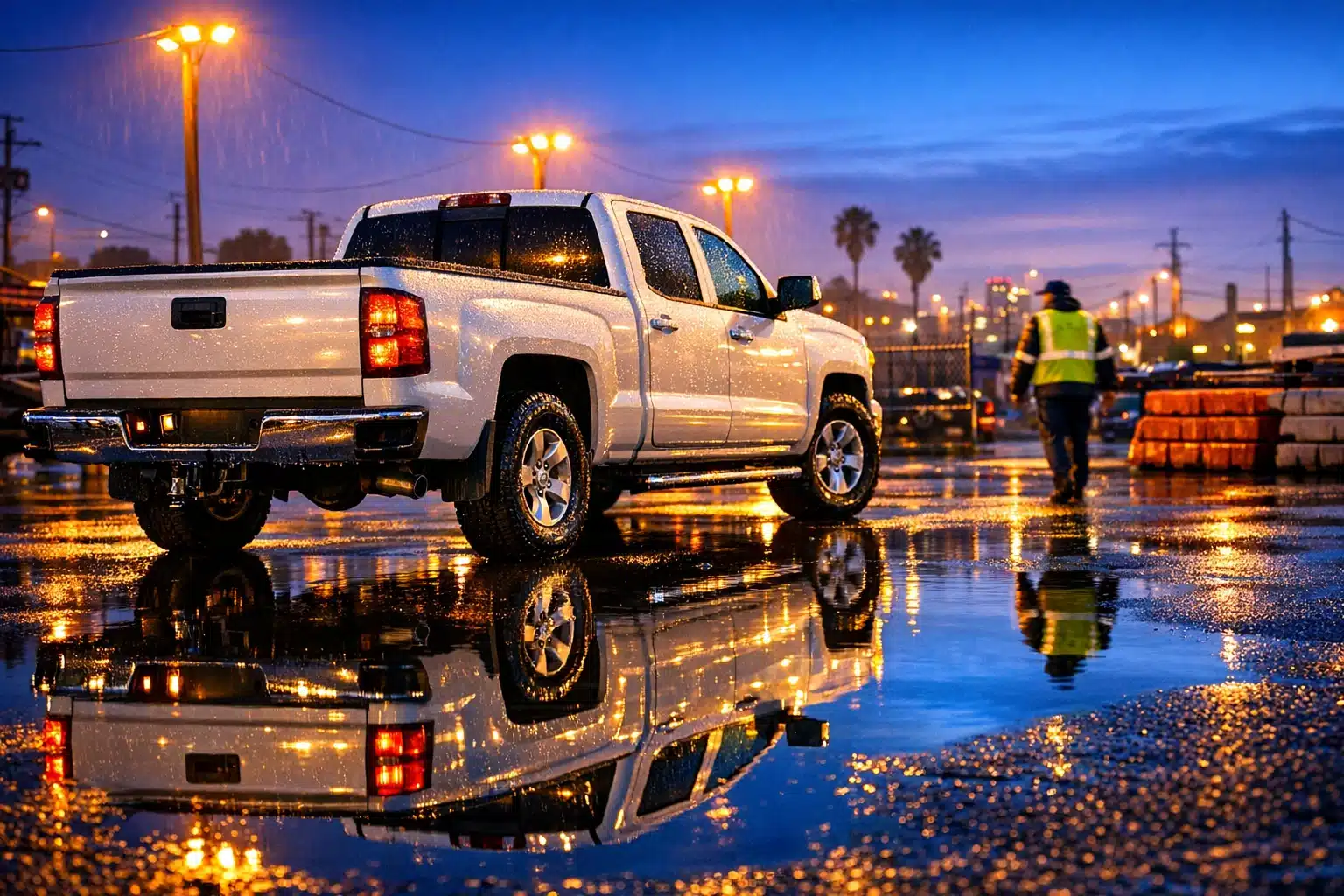
A police impound pickup truck often arrives with a strange mix of promise and uncertainty. It may have been repossessed, abandoned, seized in a case, or towed after a violation, and that history shapes everything from condition to title status. For contractors, ranchers, and budget-minded drivers, these trucks can open a lower-cost path into a capable vehicle. Yet every bargain sits beside questions about maintenance, storage damage, missing keys, and legal paperwork. Knowing how the system works is what separates a smart bid from a costly mistake.
Outline and Background: Why Impound Pickup Trucks Reach the Market
Before diving into bids, fees, and inspections, it helps to understand the map of the territory. Police impound pickup trucks do not come from one single source, and that detail matters because the reason a truck entered custody can affect its value, condition, and paperwork. Some were towed after parking violations and never claimed. Others were recovered after theft, seized during investigations, repossessed through related legal processes, or sold after lien procedures allowed an agency or contractor to dispose of them. In plain terms, two trucks parked side by side at an auction can look similar while carrying completely different stories.
This article follows a practical outline:
• how impound trucks enter the system
• how auctions and sales channels work
• what to inspect before bidding
• how to calculate the real cost
• which buyers are best suited to this kind of purchase
Pickup trucks deserve special attention because they hold value better than many passenger cars. Demand stays strong among small business owners, tradespeople, rural drivers, delivery operators, and buyers who need towing or cargo capacity. That strong demand means an impound truck is not automatically cheap just because it sits behind a fence topped with barbed wire. In some regions, used half-ton and heavy-duty pickups attract aggressive bidding, especially if they have four-wheel drive, extended cabs, diesel engines, or fleet-service records.
There is also a difference between a true police impound sale and a general government or tow-lot auction. A city impound lot may sell unclaimed vehicles after a statutory holding period. A county contractor may manage the sale on behalf of law enforcement. An online auction platform may list seized or surplus trucks from multiple agencies at once. Each format changes what you can inspect, how much information you receive, and what legal terms apply at checkout.
Think of the process like opening a locked tool chest at a worksite. The outside suggests usefulness, but the real value depends on what is inside, what is missing, and how much effort is needed before the tools can earn their keep again. That is why buyers who treat impound pickups as a category rather than a gamble usually make better decisions.
How Sales Work: Auctions, Paperwork, Fees, and Title Questions
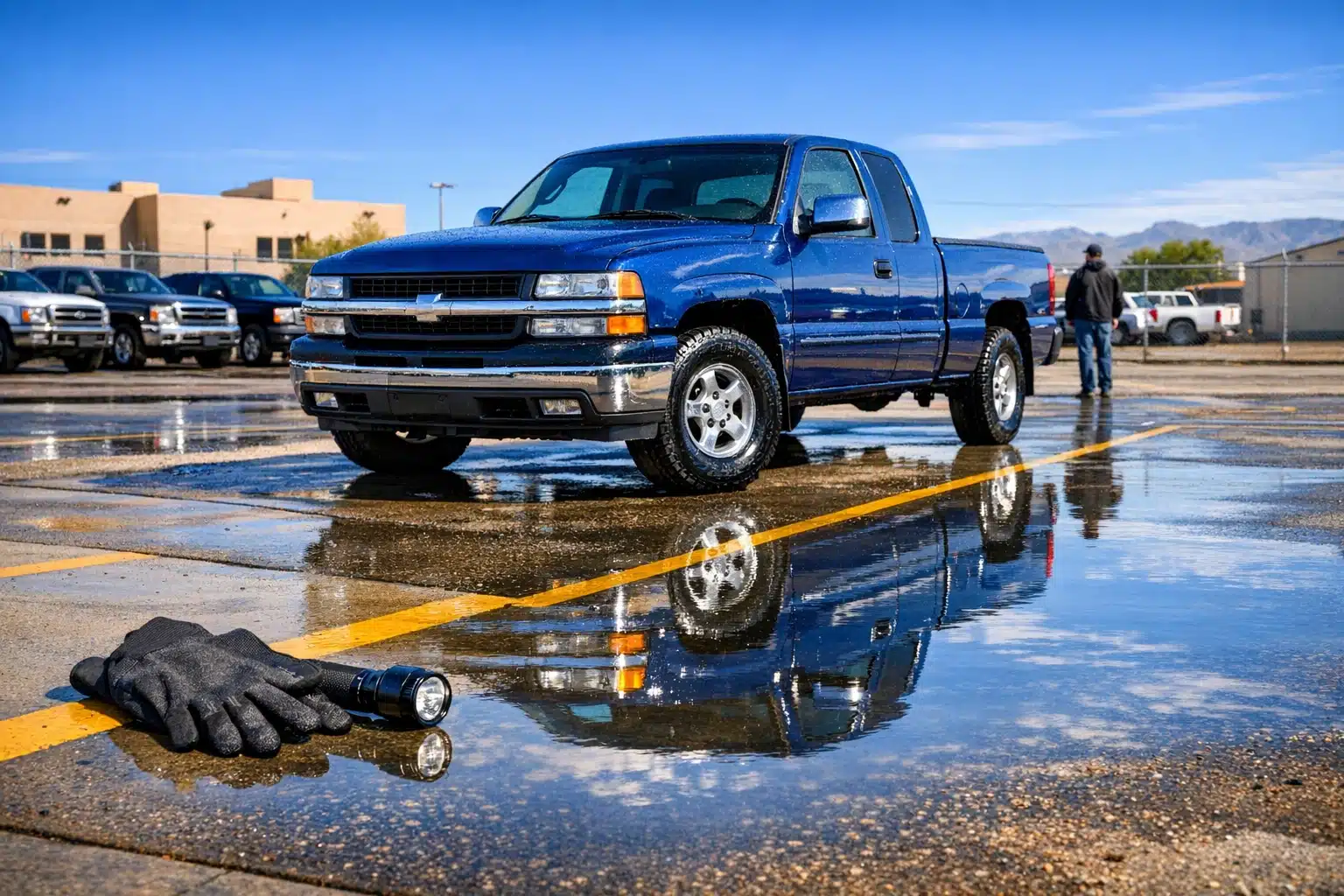
Most police impound pickup trucks are sold through auctions, but the phrase auction covers several very different systems. Some are held in person at a storage yard. Others are run online through regional or national bidding platforms. A few are handled through sealed bids or fixed-price disposal programs. The selling format matters because it affects transparency, inspection access, and timing. An in-person yard sale may let you walk around the vehicle and look underneath with a flashlight. An online listing may provide only photographs, a VIN, an odometer reading if available, and a brief note such as “condition unknown” or “starts with boost.”
Buyers should pay close attention to the sale terms. Many impound trucks are sold with language equivalent to “as is, where is,” meaning the seller does not promise mechanical soundness, cosmetic condition, or even the completeness of the vehicle. That sounds harsh, but it is standard practice. Agencies are disposing of property, not operating like retail dealers. If a truck needs a battery, tires, a tow, or major engine work, the buyer generally absorbs that cost.
Paperwork is just as important as the truck itself. Depending on the jurisdiction, you may receive a clean title, salvage title, lien sale packet, bill of sale, or auction certificate that must be converted into title through your motor vehicle agency. A missing or delayed title can turn a seemingly cheap truck into a frustrating storage project. Laws vary by state, so buyers should verify:
• what ownership document is provided
• whether there are waiting periods before registration
• whether emissions or safety inspections are required
• whether back fees, towing charges, or administrative costs survive the sale
Fees can quietly raise the total price. Common additions include a buyer’s premium, documentation charges, local tax, title fees, and storage or gate-release costs. A truck that sells for 8,000 dollars may cost significantly more before it ever reaches your driveway. It is also wise to ask whether the vehicle must be removed within 24 to 72 hours, because short deadlines may force you to pay for towing even if you had hoped to repair it onsite.
A careful buyer reads the terms first, bids second, and celebrates last. That order is not glamorous, but it is far cheaper than learning title law from an expensive mistake.
Condition Reality Check: What to Inspect on an Impound Pickup Truck
The condition of a police impound pickup truck can range from surprisingly solid to economically hopeless, and appearances often mislead. A truck can shine in auction photos and still hide a slipping transmission, flood residue under the carpet, or four-wheel-drive components that have not worked in years. Pickups are especially vulnerable to hard use because they are often bought for hauling, towing, construction, landscaping, snow work, and off-road driving. That utility is exactly what makes them desirable, but it also increases the chance of wear in expensive places.
Start with the basics. If the auction allows inspection, look for signs of neglect and structural damage. Uneven panel gaps, wrinkled bed sides, and fresh undercoating in isolated areas can hint at crash repair. Check the frame rails, crossmembers, spring hangers, and hitch area for bends, corrosion, or crude welding. On body-on-frame pickups, frame condition matters more than shiny paint. A straight, rust-controlled chassis can justify cosmetic flaws, while a badly corroded frame can turn the truck into a parts donor no matter how attractive the cab looks.
Next, evaluate mechanical clues. Even without a test drive, you can learn a lot:
• inspect engine oil for sludge or metallic glitter
• look at coolant color and level
• check transmission fluid if accessible
• note battery age and whether jump-starting is needed
• examine tires for uneven wear that suggests suspension or alignment problems
• look under the truck for leaks around the differential, transfer case, and shocks
If the truck starts, listen closely. A cold engine can reveal timing noise, injector clatter beyond the normal pattern, belt squeal, or knocking that warm idle might partially mask. Watch the exhaust. Blue smoke can suggest oil burning, white smoke may point to coolant issues or diesel-related concerns, and black smoke can indicate rich running or tuning modifications. On diesels, be alert to emissions-system problems because diesel repairs can be costly and diagnostic work is not always simple.
Interior condition also tells a story. Torn seats, worn pedal pads, cracked steering wheels, and drilled dashboards may reflect heavy fleet or commercial use. Mud behind the dash panels or water lines under the seats can hint at flooding. Missing infotainment units, absent catalytic converters, broken door locks, or no keys at all are not rare in impound sales. A locksmith visit and module programming can add meaningful expense on newer trucks with chipped keys and security systems.
In short, do not inspect an impound pickup as though it were a commuter sedan. Treat it like equipment. Ask whether the engine, frame, drivetrain, suspension, electrical system, and bed can still support the work you expect from it. That mindset keeps emotion out of the equation.
The Real Cost: Pricing, Repairs, and Comparison With Other Buying Options
The advertised sale price of an impound pickup truck is only the opening chapter. The meaningful number is the all-in cost required to make the truck legal, safe, and useful. Buyers who skip that calculation often discover that a cheap hammer price was simply the bait at the edge of a much larger bill. Because pickups remain in demand, especially full-size models with towing ability, the discount over dealer pricing is not always dramatic. Sometimes the savings are real. Sometimes the buyer is just paying retail in installments to a mechanic, a tow company, and the licensing office.
Consider an illustrative example. Suppose a pickup wins at 8,500 dollars. Add a 10 percent buyer’s premium, local tax, title and registration charges, and a 150-dollar tow because the truck cannot be driven away. Then imagine it needs four tires, a battery, fluid service, a windshield, and a front-end alignment. The final amount could land near 11,500 or 12,000 dollars before any major hidden defect appears. If a comparable private-party truck with service records costs 13,500 dollars, the impound option may still save money, but the gap is far smaller than the auction result suggested.
Repair risk should be priced according to vehicle type. Older gasoline pickups are usually simpler and cheaper to revive than newer diesel trucks loaded with emissions hardware and advanced electronics. Heavy-duty models can be attractive because of their capability, yet their brakes, tires, steering parts, and injection-related components often cost more than buyers expect. Four-wheel-drive systems add value, but they also add transfer case, axle, hub, and actuator expenses when neglected.
Useful cost categories to estimate before bidding include:
• auction fees and tax
• towing or transport
• key replacement and programming
• tires, brakes, battery, and fluids
• deferred maintenance such as belts, filters, and spark plugs
• registration, inspection, and insurance
• a contingency reserve for surprises
There is also the time factor. A dealer purchase usually includes a faster path to registration, financing options, and at least some pre-sale preparation. A private-party sale may offer maintenance records and a test drive. An impound sale often offers neither convenience nor certainty. That does not make it a bad choice; it simply means the buyer is trading comfort for potential savings.
The smartest approach is to set a hard ceiling based on total ownership cost, not adrenaline. Auctions can feel like theater, with bids climbing as quickly as tempers on a jobsite in August. Calm math is your best defense against overpaying.
Conclusion for Practical Buyers: Who Should Buy and How to Bid Sensibly
Police impound pickup trucks make the most sense for buyers who can evaluate risk with clear eyes and a steady budget. If you are mechanically experienced, have access to affordable repairs, or need a work truck more than a polished daily driver, this market can produce worthwhile opportunities. The same is true for small business owners who understand downtime costs and can live with cosmetic imperfections. On the other hand, first-time buyers who need immediate reliability, easy financing, and a clean ownership path may be better served by a conventional dealership or a well-documented private sale.
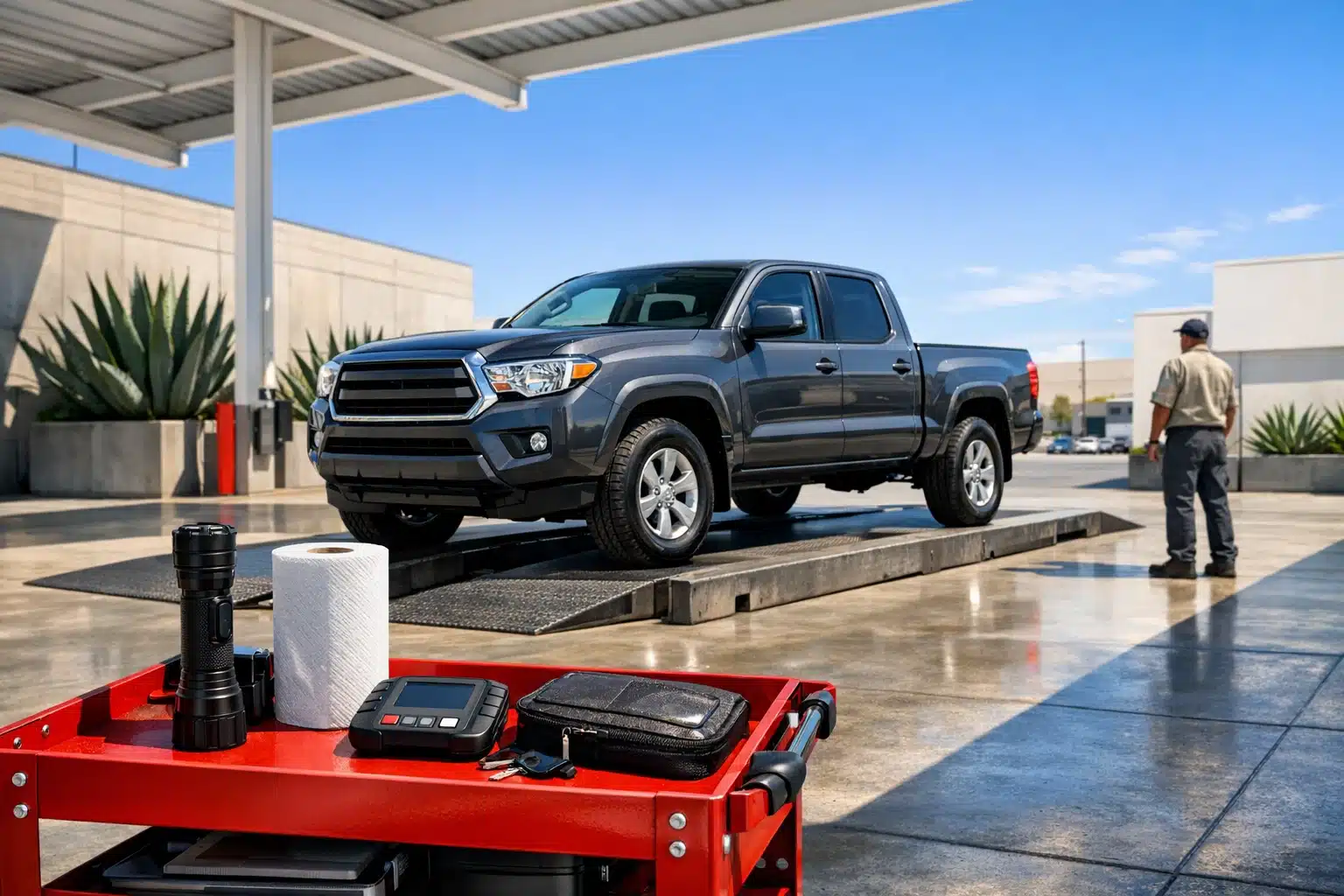
A sound bidding strategy begins before auction day. Research the VIN when possible, check market values for similar trims, and study common issues for the exact engine and transmission pairing. Bring a flashlight, gloves, paper towels, and an OBD scanner if the rules allow it. Decide on your maximum all-in budget, then subtract estimated fees and repairs to arrive at a true bidding limit. Once the bidding starts, treat that limit like a guardrail rather than a suggestion.
It also helps to separate wants from needs. A lifted four-wheel-drive crew cab with aggressive tires may look far more exciting than a plain white fleet truck, but the simple truck is often the smarter purchase. Fleet pickups may show honest wear, yet they are sometimes serviced on schedule and modified less than privately owned trucks used for recreation or heavy towing. A boring truck with a stable engine and straight frame often beats a flashy one with mystery lights glowing across the dash.
For the target audience, the key lesson is straightforward. Buy an impound pickup only when the numbers, paperwork, and condition all make sense together. Do not rely on hope to solve title problems, erase drivetrain noise, or shrink repair estimates. A good impound truck can become a dependable partner for hauling tools, pulling trailers, or handling rural roads. A bad one becomes an education with a receipt attached. If you stay patient, inspect carefully, and bid with discipline, you give yourself the best chance of ending up with a useful truck instead of a hard lesson on wheels.