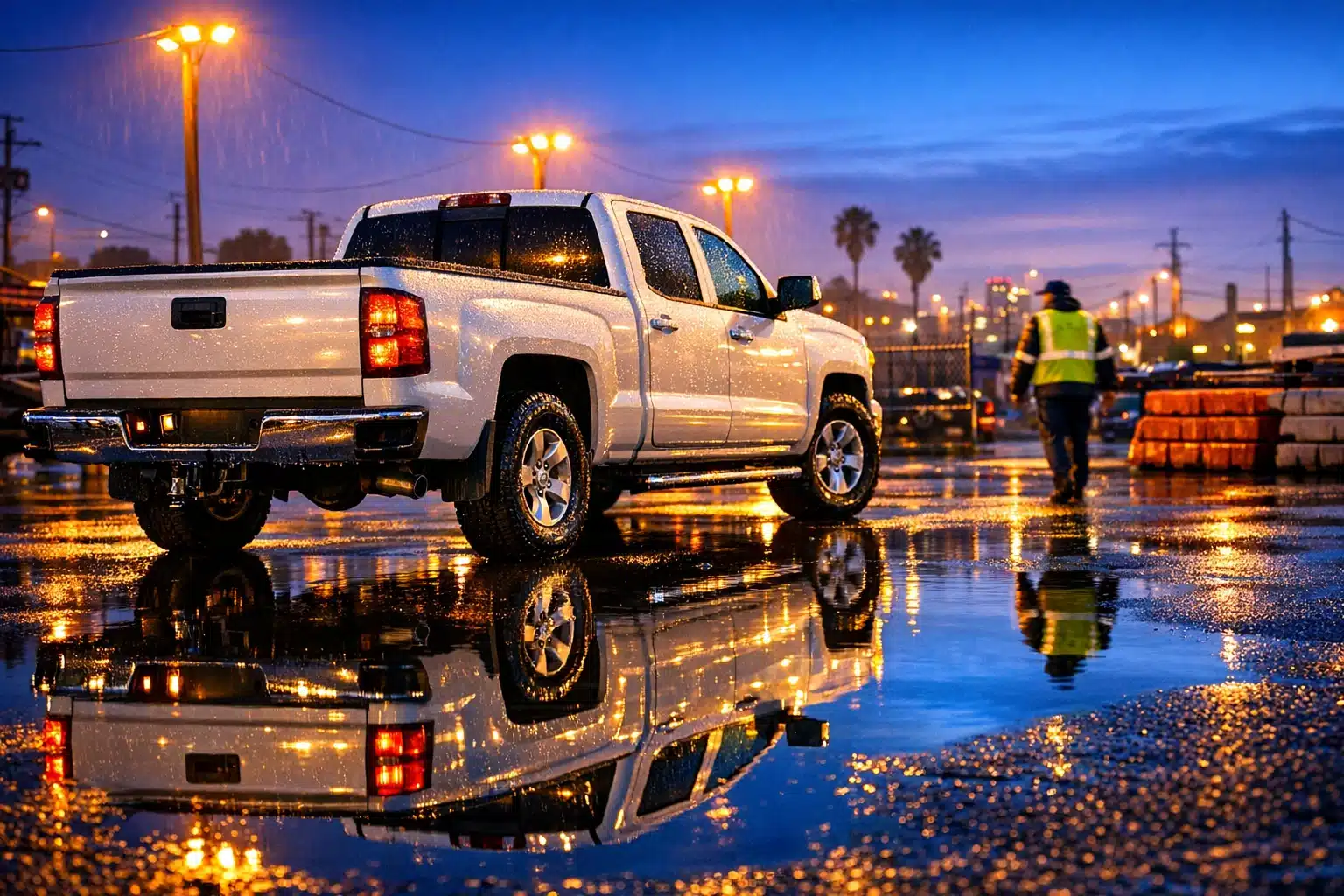
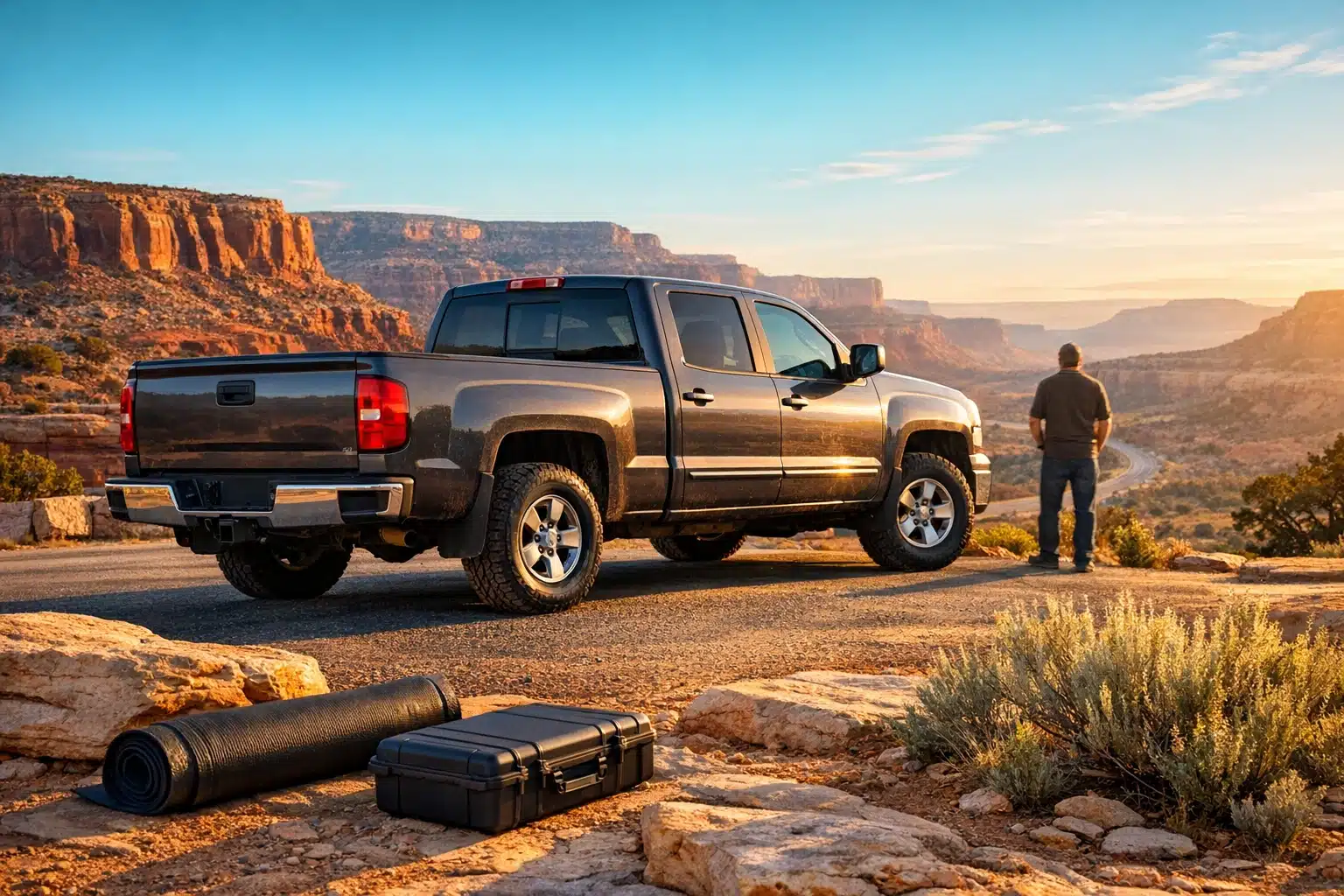
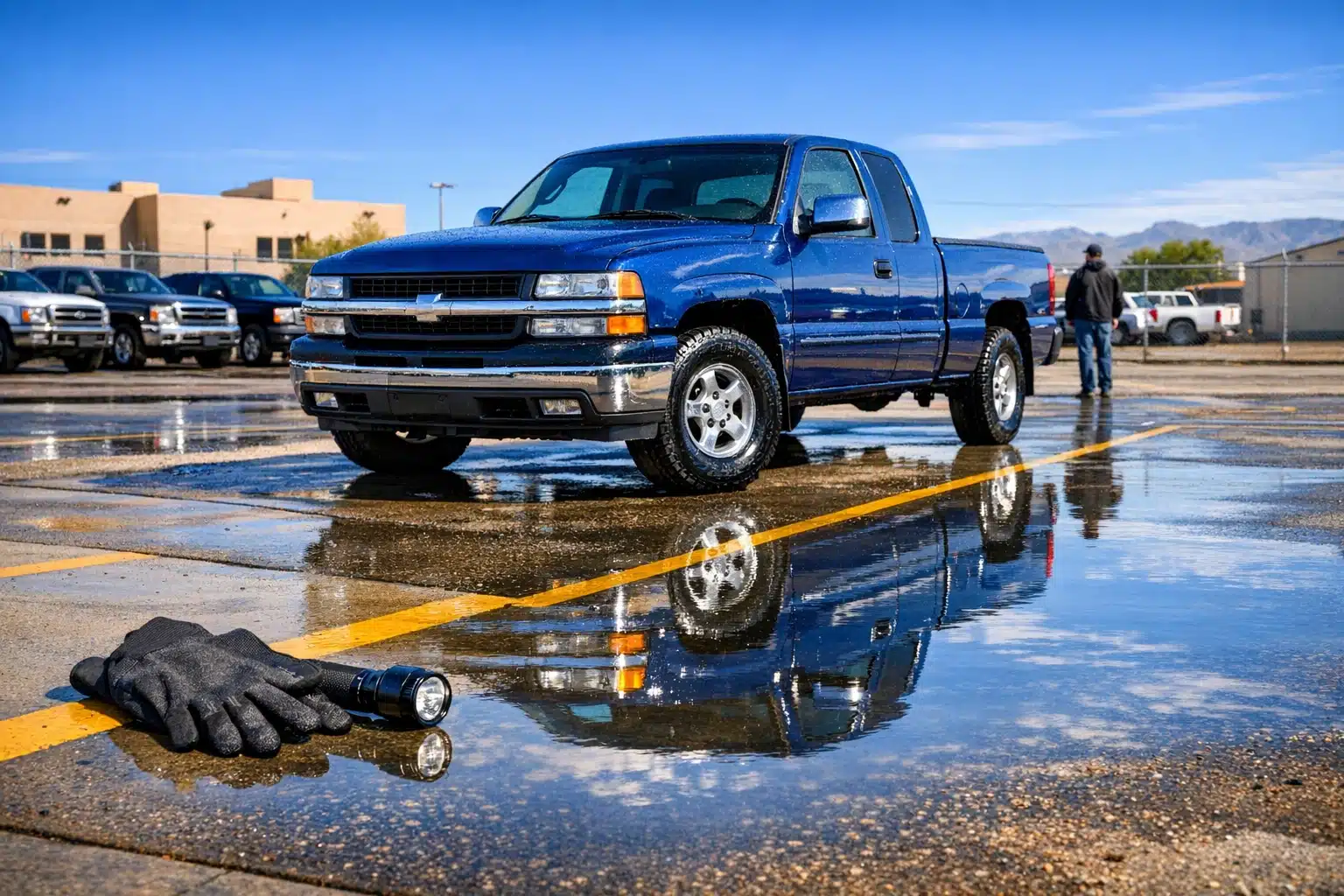
 Artificially generated image
 Police-Impound Pickup Trucks: What Buyers Should Know
Police-impound pickup trucks often appear with low starting bids and just enough mystery to make buyers imagine a steal. Yet these vehicles come with stories written in worn suspensions, missing service records, and auction terms that favor the seller, not the dreamer in the front row. Knowing how impound trucks are sourced, priced, inspected, and transferred can save you from a cheap purchase that turns expensive by the second week. That is why this market deserves a closer look before you raise a paddle or click Bid Now.
Article Outline
- What the term police-impound pickup truck actually means
- The main advantages and risks compared with other used-truck channels
- How to inspect a truck before bidding or buying
- Fees, paperwork, transport, and real-world ownership costs
- Which buyers are a good fit for these trucks and a final takeaway
1. What “Police-Impound Pickup Truck” Really Means
The phrase police-impound pickup truck sounds precise, but in practice it can cover several very different kinds of vehicles. Some trucks were towed after traffic violations or arrests and never claimed by their owners. Others were abandoned, repossessed, or held as part of an investigation before being legally cleared for disposal. In some listings, the term is even used loosely to describe government surplus trucks, municipal fleet units, or vehicles sold through a contractor that manages impound inventory for a city or county. That matters because the truck’s history shapes its condition, paperwork, and risk profile.
A buyer should first understand that impound does not automatically mean “crime truck,” nor does it automatically mean “bad truck.” Many pickups enter impound simply because the registered owner did not pay storage fees, could not retrieve the vehicle in time, or left the truck parked where it should not have been. In other cases, the owner may have faced financial hardship, and the truck sat untouched for months. That long idle period can be just as damaging as hard use. Fluids age, batteries die, tires flat-spot, seals dry out, and rodents occasionally move in like unpaid tenants.
The way these trucks reach the market also differs by location. Some police departments work with public auction houses. Others contract with towing companies or online auction platforms. A few municipalities hold periodic live auctions on-site. Because procedures vary, buyers may encounter major differences in:
- title status and release timing
- whether a preview inspection is allowed
- how much vehicle history is disclosed
- buyer premiums and payment deadlines
- rules for removing the truck after purchase
Another important distinction is whether the pickup was privately owned or fleet operated. A privately owned half-ton truck may have been a personal daily driver, a light work vehicle, or a heavily modified off-road toy. A former fleet pickup may show predictable wear from routine service work but sometimes comes with better maintenance discipline. Neither is automatically better. A contractor’s truck that hauled trailers every day can be more tired than a personally owned pickup with higher mileage but gentler use.
Think of the term police impound as the beginning of the story, not the ending. The smart buyer looks past the label and asks harder questions: Why was it there, how long did it sit, what records exist, and what am I truly allowed to inspect before money changes hands? Those answers are what separate a usable bargain from a driveway project that swallows weekends and cash.
2. Why Buyers Consider Impound Pickups and Where the Risks Begin
The main reason shoppers look at police-impound pickup trucks is simple: price. In many cases, auction starting bids are low because the seller wants inventory moved rather than merchandised. There is no showroom lighting, no detailed sales pitch, and usually no reconditioning budget designed to make the truck look younger than it is. For buyers who know trucks well, that rough-and-ready environment can create opportunity. A basic pickup with cosmetic wear, a torn seat, and a dead battery may scare off casual bidders even if the engine, transmission, and frame are still sound.
Compared with a dealer lot, impound auctions often have lower upfront vehicle pricing. Compared with a private seller, the process can feel faster and less emotional. Nobody is telling you the truck “only hauled groceries” while you stare at a hitch polished by years of trailer duty. The metal tends to speak for itself. For budget-minded buyers, small business owners, ranchers, and mechanically experienced shoppers, that directness can be appealing.
Still, the risks are real, and they are not minor footnotes. Most impound sales are final. Test drives are rare. Warranties are practically nonexistent. Descriptions may be brief, and some trucks are sold exactly as they sit, with unknown mechanical, electrical, or title issues. What looks like a cheap full-size pickup can rapidly become expensive after basic catch-up work.
Here is the central comparison that matters: a dealer markup often pays for inspection, detailing, paperwork handling, and at least a limited legal framework for the sale. An impound auction strips much of that away. In exchange, you get a lower entry price and a higher burden of judgment. The market rewards buyers who can evaluate risk and punishes people who assume every cheap truck is a hidden gem.
A practical way to compare purchase channels is to weigh what you gain and what you give up:
- Dealer purchase: higher price, more convenience, usually cleaner paperwork
- Private sale: mid-range price, more room to ask questions, mixed documentation quality
- Impound auction: lower price potential, less certainty, faster decision-making pressure
There is also a psychological risk. Auction settings can create momentum that overrides logic. The crowd, the countdown, the idea of “winning” a truck at the last second, it all adds heat to the moment. A pickup that would seem questionable in a calm parking lot can suddenly feel irresistible under a fast chant and a blinking online timer. That is why disciplined buyers set a cap before bidding starts and treat that cap like a locked gate, not a friendly suggestion.
The biggest advantage of police-impound pickups is value potential. The biggest disadvantage is information scarcity. If you are comfortable filling those gaps with experience, research, and a repair budget, the category can be worthwhile. If you need certainty, convenience, and a truck that goes straight to work tomorrow, other buying channels may serve you better.
3. How to Inspect a Police-Impound Pickup Truck Before You Buy
If the auction or impound lot allows preview access, use every minute of it. A proper inspection is where you make money or avoid losing it. You may not get the luxury of a lift, a long drive, or a seller who answers questions, but even a short visual review can reveal a surprising amount. In the world of used pickups, condition usually announces itself in clues rather than confessions.
Start with the truck’s stance and overall posture. Does it sit level, or does one corner sag? Uneven ride height can hint at suspension wear, damage, or overloaded service life. Walk around the body and look along the side panels in reflected light. Mismatched paint, uneven panel gaps, bent bumpers, and overspray can indicate collision repairs. A work truck does not need to be beautiful, but structural problems are much more serious than faded clear coat or a dented bed side.
Next, inspect the frame and underbody as closely as the lot rules allow. Rust is one of the biggest separators between a usable pickup and a poor long-term buy. Surface rust is common, especially in snow-belt regions, but scaling, perforation, soft frame sections, and badly corroded brake or fuel lines should raise concern. On four-wheel-drive trucks, look underneath for seepage around differentials, transfer cases, and transmission pans. A little grime is normal on older vehicles; fresh wet leaks are another story.
Then focus on signs of hard use. Pickup trucks earn their living through towing, hauling, and rough roads. Look for:
- a heavily worn hitch receiver or trailer brake controller wiring
- uneven rear tire wear that may suggest frequent heavy loads
- cracked bed rails, bent tailgates, or patched floor sections
- aftermarket modifications done with questionable wiring or drilling
- mud packed into hidden areas that may point to off-road use
Inside the cab, wear patterns can be revealing. A truck showing modest odometer mileage but excessive pedal, seat, and steering-wheel wear deserves a closer look. Check whether warning lights remain on when the ignition is active. Verify that the power windows, locks, wipers, lights, climate controls, infotainment screen, and four-wheel-drive selector behave normally if access permits. Electrical faults are not always dramatic, but they can be time-consuming and expensive to chase.
Under the hood, inspect fluid condition, battery age, obvious leaks, belt wear, and any homemade-looking repairs. If the engine can be started, listen for cold-start knocks, ticking, smoke, rough idle, or delayed engagement when shifting into gear. A truck that starts reluctantly after sitting may only need a battery, but hesitation, vibration, or warning messages deserve caution.
Finally, check the paperwork posted with the vehicle. Even small details matter: title brand, odometer note, key count, whether emissions compliance is required where you live, and whether the truck can be driven away or must be towed. Bring a flashlight, gloves, a tire gauge, a magnet if appropriate, and a notepad or phone for photos. In an impound yard, the quiet buyer taking careful notes is usually thinking more clearly than the loud bidder already imagining victory laps.
4. The Real Cost of Ownership: Fees, Repairs, Paperwork, and Transport
The hammer price or winning bid is only the beginning. This is where many first-time buyers make their biggest mistake. A police-impound pickup truck can seem attractively cheap until the surrounding costs begin to gather like storm clouds. By the time you add buyer fees, taxes, title work, towing, immediate repairs, and deferred maintenance, the “deal” may look very different from the number that first caught your eye.
Start with auction charges. Many public and online auctions add a buyer premium, often a percentage of the final bid. There may also be administrative fees, storage charges if you do not remove the vehicle quickly, and payment rules that require cash, certified funds, or a same-day transfer. Missing a deadline can create penalties or even void the sale. Before bidding, read the terms as carefully as you would inspect the engine bay.
Then consider title and registration issues. Some trucks come with clean titles, others with salvage, rebuilt, lien-related, or delayed-title paperwork. Rules vary by state, and buyers sometimes discover that a truck bought in one county requires extra steps before it can be legally registered elsewhere. If the vehicle was sold without plates, you also need a lawful plan to transport it home. A non-running pickup or one with unknown brake condition should be towed, and towing a full-size truck is not cheap.
Repairs are the next layer. Even when the engine and transmission are healthy, most impound pickups need baseline service. Common first-week expenses include:
- battery replacement
- oil and fluid changes
- filters, wiper blades, and light bulbs
- tires or tire repair
- brake service
- alignment and suspension work
- key programming or lock replacement
Pickup trucks are especially vulnerable to hidden cost because their parts are often larger and more expensive than those on compact cars. A set of truck tires can be a meaningful bill. Four-wheel-drive repairs can escalate quickly. Diesel pickups, while durable in many applications, can also bring higher component costs and more expensive emissions-related repairs if neglected. If the truck was used for towing, driveline stress may not be visible at a glance.
A helpful buying habit is to build a total-cost worksheet before auction day. Estimate the likely bid ceiling, then add tax, fees, transport, a battery, fluids, tires, and a repair reserve. If the number still compares favorably with a similar used truck from a private seller or dealer, the purchase may make sense. If the margin is thin, the auction is no longer your friend.
In practical terms, buyers should assume that every impound pickup needs something immediately, even if that “something” is only routine maintenance. Hope is not a budget line. A written cost plan is. The best auction buyers do not merely ask, “What can I win this truck for?” They ask, “What will this truck actually cost me to own by next month?” That second question is the one that protects your wallet.
5. Who Should Buy One, Who Should Walk Away, and a Final Takeaway
Police-impound pickup trucks are not for everyone, and that is perfectly fine. They tend to reward buyers who are patient, realistic, and somewhat mechanically informed. If you can inspect a truck calmly, estimate repairs conservatively, and walk away when the price stops making sense, this corner of the market can be useful. If you need immediate reliability, predictable ownership costs, and a smooth buying process, the same low opening bid that attracts you may end up being the least important number in the transaction.
Some buyer profiles are better suited to these vehicles than others. Good candidates often include experienced DIY owners, independent mechanics, contractors who can tolerate cosmetic wear, rural drivers who prioritize utility over polish, and resellers who understand local title and repair laws. On the other hand, first-time vehicle buyers, people with tight monthly budgets, and anyone who depends on a truck for work the very next day should be especially cautious. A surprise repair on a pickup can derail both transportation and income.
As a simple guide, police-impound pickups fit best when you can say yes to most of the following:
- I have money set aside beyond the bid price
- I can evaluate condition or bring someone who can
- I understand my state’s title and registration process
- I have a backup transport plan if the truck cannot be driven
- I am comfortable walking away from a questionable deal
They are a poor fit when your plan sounds more like this: I need a perfect truck today, I cannot afford repairs, and I am bidding because the starting number looks cheap. That is not a strategy; it is wishful shopping dressed in auction clothes.
There is also a broader lesson here for the target audience, especially practical buyers looking for a work-ready truck without overspending. Value in the used pickup market rarely comes from finding a magical secret. It comes from buying a truck whose flaws you understand at a price that leaves room to fix what matters. An impound lot can offer that opportunity, but only when discipline leads and excitement follows.
Conclusion for Budget-Minded Truck Buyers
If you are shopping for a police-impound pickup truck, treat the process like an investigation, not a treasure hunt. Learn what kind of truck is being sold, inspect with purpose, account for every fee, and compare the total cost against other used-truck options before bidding. The best purchase is not the truck with the lowest headline price, but the one with the clearest path to dependable use. For buyers who stay patient and grounded, impound pickups can be practical tools; for everyone else, they can become expensive lessons on wheels.