 Artificially generated image
 How Police Impound Auctions Work: A Practical Guide for Buyers
Police impound auctions sit at the intersection of public administration, bargain hunting, and real-world risk. For buyers, they can open the door to cars, trucks, motorcycles, and other property that may sell below typical dealer or private-party prices. For agencies, these sales free up crowded storage yards and help recover towing, handling, and administrative costs. Learn the rules before you bid, and a chaotic yard starts to look less like a gamble and more like a system you can navigate.
Outline: this guide moves through the process in order, starting with what police impound auctions are and why vehicles end up there. It then explains how local rules, titles, fees, and payment deadlines vary, before turning to inspection methods, value research, bidding strategy, and final decision-making for different types of buyers.
What Police Impound Auctions Are and Why They Exist
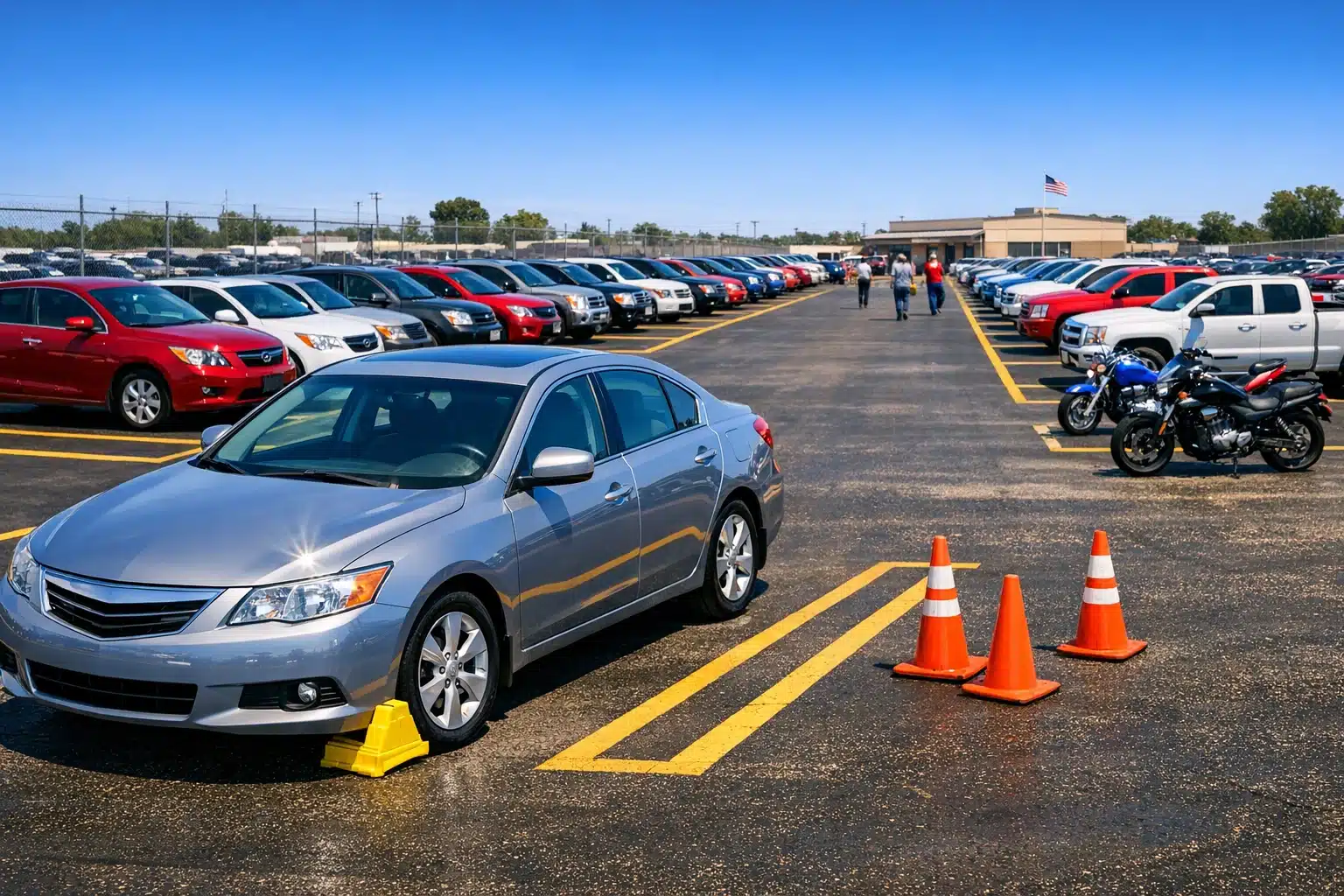
Police impound auctions are public or semi-public sales of vehicles and other property that government agencies or contracted operators need to clear from storage. The word “police” can make these auctions sound dramatic, as if every car arrived with a siren story attached, but the reality is usually more ordinary. Many vehicles are impounded after parking violations, abandonment, unpaid towing charges, arrests, license issues, or traffic stops that leave no legal driver available to take the car. Others may be seized during investigations and later released for sale only after legal procedures are complete. The key point for buyers is simple: the auction exists to move unclaimed or forfeited property efficiently, not to curate a polished retail inventory.
That practical purpose shapes everything about the buying experience. A dealership cleans, repairs, advertises, and warranties its cars because it earns a margin on presentation and service. An impound auction is different. Its job is to clear space, recover some costs, and follow statutory notice requirements. That is why listings may be brief, cosmetic flaws may be obvious, and mechanical histories may be thin or unavailable. In many cases, the agency or auction company knows far less about the vehicle than a dealer would. Buyers should treat every item as information-poor and risk-heavy unless verified otherwise.
Common sources of auction inventory include:
• abandoned vehicles left on public streets or private property
• cars towed after arrests or license suspensions
• unclaimed vehicles after accidents or breakdowns
• property held as evidence and released for lawful disposal
• seized assets sold after the required legal process
It also helps to understand what police impound auctions are not. They are not the same as dealer-only wholesale lanes, bank repo sales, estate sales, or manufacturer remarketing events, even though there can be overlap in vehicle condition or pricing. A bank repo auction may feature newer vehicles with financing histories and more predictable paperwork. An impound auction may offer lower opening bids, but it often comes with greater uncertainty around keys, title timing, maintenance records, or whether the engine has even been started recently.
For local governments, these auctions serve an administrative need. Storage yards cost money, staffing is limited, and public agencies cannot keep every unclaimed vehicle forever. State and municipal rules typically require notice to owners and lienholders, a waiting period, and then public sale if the property remains unclaimed. For buyers, that creates opportunity, but it is the kind of opportunity that rewards discipline rather than excitement. The yard may look like a field of bargains, yet each row contains a different puzzle. Some cars are usable commuter vehicles, some are repair projects, and some are little more than expensive metal with four tires and a lesson attached.
Where Auction Rules Differ: Registration, Titles, and Terms of Sale
If there is one truth every first-time buyer should write down in large letters, it is this: no two police impound auctions operate exactly the same way. The broad concept is familiar, but the rulebook can change from one county, city, or contractor to the next. One auction may be held live in a municipal lot on a Saturday morning. Another may be hosted online by a regional auction platform with staggered closing times. One location may allow public buyers to inspect vehicles closely; another may limit previews to a quick walk-by behind a fence. Because of these differences, the official terms and conditions matter more than any rumor, forum post, or “I bought one years ago” story from a neighbor.
Registration requirements are usually straightforward, but they still trip people up. Buyers often need a government-issued ID, a bidder account, agreement to auction terms, and sometimes a refundable deposit. Payment rules can be strict. Many auctions require full payment the same day or within 24 hours, and accepted methods may be limited to cash, certified funds, debit, or wire transfer. Personal checks are often not accepted. Buyer’s premiums are also common, especially when a private auction company manages the event. Depending on the operator, this fee may add roughly 5 percent to 15 percent to the hammer price, and taxes, title fees, or documentation charges may be extra.
Title status is another area where buyers need patience and precision. A vehicle may come with:
• a clear title ready for transfer
• a delayed title issued after processing
• a salvage or rebuilt designation
• no title, but a bill of sale only, depending on local rules and vehicle age
• release paperwork that still requires additional DMV steps
Those differences affect resale value, insurance options, registration ease, and repair economics. A low winning bid means very little if the paperwork creates months of delay or limits how the vehicle can be used. In some states, older vehicles may transfer differently from newer ones. In others, emissions or smog compliance can become the buyer’s responsibility before registration. A cheap purchase can turn costly if it cannot legally return to the road without major work.
The phrase “as-is, where-is” appears again and again for a reason. It means there is usually no warranty, no cooling-off period, and no promise that a vehicle will start, move, or contain all of its parts. Keys may be missing. Catalytic converters may be gone. Batteries may be dead. Interior electronics may not function. Some auctions allow jump packs or basic visual inspection during preview; others prohibit touching the vehicles beyond looking through windows. If the car you win must be towed out within 24 or 48 hours, that logistics cost belongs in your budget before you bid, not after you celebrate.
There is also a subtle but important legal point: these auctions sell property under a public or quasi-public process, but that does not mean every item is a bargain or every description is complete. Agencies are not promising market value; they are disposing of stored assets according to procedure. Serious buyers read the terms first, check title rules second, and only then decide whether the auction deserves their time. That order saves money, confusion, and more than a few hard lessons.
How to Inspect Inventory, Research Value, and Build a Real Budget
The smartest move at a police impound auction often happens before bidding day. It happens when a buyer slows down, studies the inventory, and resists the oldest trap in auction culture: mistaking a low opening bid for a low total cost. A vehicle priced at a few hundred dollars can still require thousands in repairs, transport, taxes, and registration. That does not make impound auctions a bad option. It simply means the real competition is not against other bidders alone; it is against incomplete information and your own optimism.
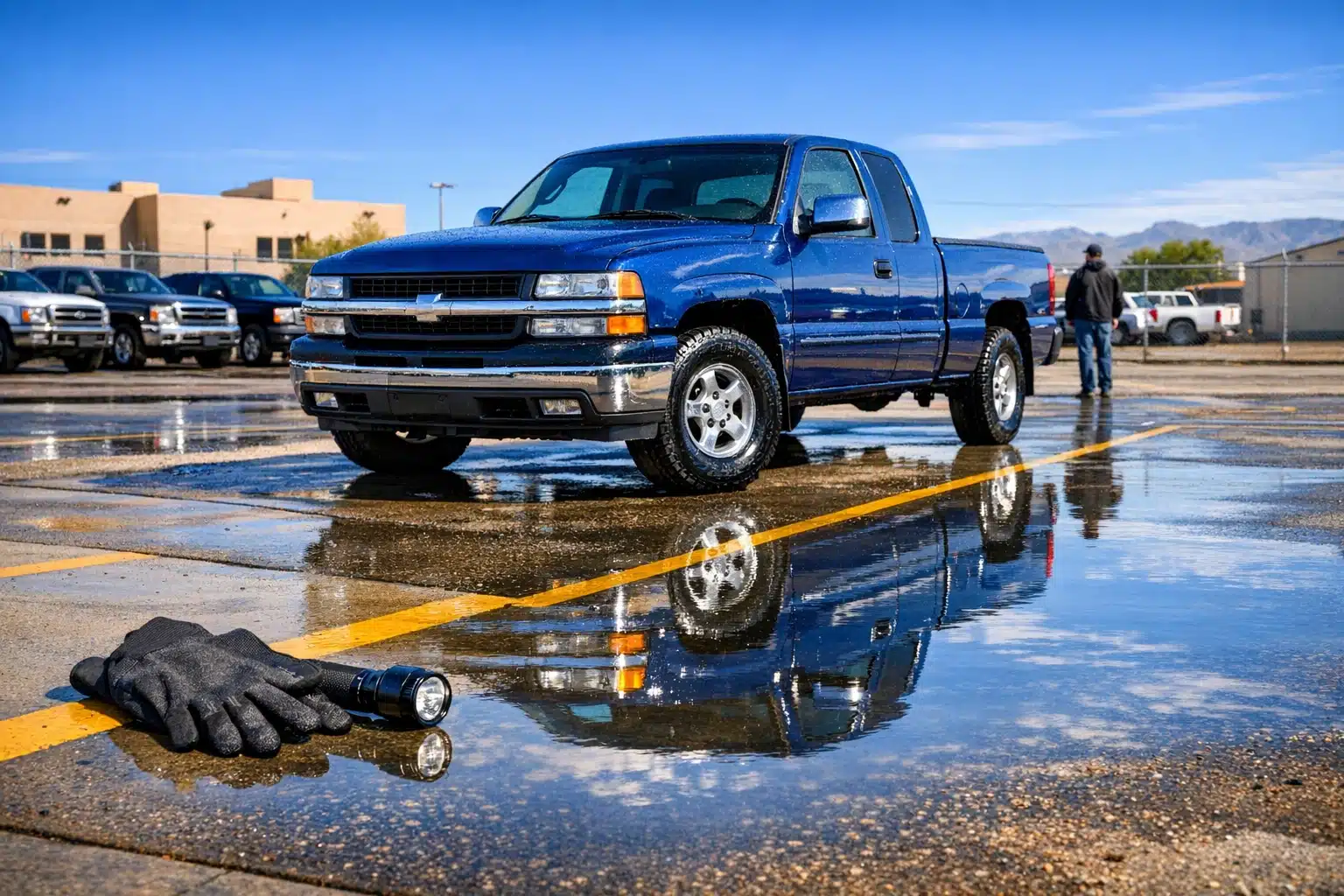
Start with the preview period if one is available. Bring a flashlight, a phone, a notebook, and enough time to compare several units instead of falling in love with the first shiny hood you see. Check the VIN on the dashboard and door sticker if accessible, and run a history report when possible through services such as CARFAX or AutoCheck, while remembering that no report tells the full story. Look for clues the car gives away quietly. Uneven tire wear can suggest alignment or suspension problems. Mud in unusual places may hint at flood exposure. A sagging interior headliner may be cosmetic, while a burnt smell near the fuse box may point to electrical trouble. Auction yards are like short mystery novels with torn final chapters: you gather what you can and learn to read small details well.
Useful inspection checklist:
• body panels that do not line up cleanly
• cracked glass, broken lights, or missing mirrors
• fluid leaks under the vehicle
• rust on frame or suspension points
• dashboard warning lights if the car can be keyed on
• signs of rodent damage, mold, or water intrusion
• missing keys, plates, catalytic converter, or battery
Next comes market research. Compare the vehicle not to a dealer’s asking price alone, but to realistic local private-party values for similar mileage, condition, and title status. Kelley Blue Book, Edmunds, Facebook Marketplace, Craigslist, and regional dealer listings can help create a range. Then subtract for uncertainty. Auction vehicles often come with higher unknowns than ordinary private sales, so a sensible bid ceiling should reflect that risk. If the car needs tires, brakes, a battery, and towing before it can even be diagnosed, your maximum price should drop fast.
A practical budget should include more than the winning bid:
• hammer price
• buyer’s premium
• sales tax if applicable
• title and registration fees
• towing or transport
• immediate safety repairs
• deferred maintenance such as fluids, filters, belts, or tires
• insurance costs, especially if the title is branded
Imagine a sedan that sells for $2,200. Add a 10 percent buyer’s premium, tax, a $150 tow, four tires, and overdue maintenance, and the out-the-door number can climb well past $3,500 before any hidden mechanical issue appears. In some cases, that is still a worthwhile deal. In others, a better-maintained private-party car at $4,500 may be the cheaper vehicle in the end. That is the central discipline of auction buying: compare totals, not fantasies. The yard rewards buyers who can walk away from “cheap” and wait for “sensible.”
Bidding Day: Strategy, Paperwork, Payment, and the Mistakes That Cost Most
Auction day has its own weather, even indoors. The air feels a little quicker, decisions arrive a little louder, and perfectly rational adults can suddenly act as though winning the bid matters more than owning the vehicle. That emotional shift is where many avoidable mistakes begin. The best strategy is not dramatic. It is almost boring, and that is exactly why it works. Register early, understand the order of sale, confirm your payment method, revisit your notes, and set a firm maximum bid before the first lot closes. Once the action starts, your job is to follow the plan, not improvise a new personality.
In a live auction, pace matters. Vehicles may move across the block quickly, and hesitation can be costly if you have not already decided your limit. In an online auction, the danger is different. The screen can create emotional distance, making it easier to place “just one more” bid without feeling the weight of the total. Some online platforms use soft-close extensions when last-minute bids appear, which can stretch a sale longer than expected and invite bidding wars. Whether live or digital, the principle is the same: if the price rises above your ceiling, let it go. Another lot will come. There is always another row in the yard.
Common bidding mistakes include:
• ignoring buyer’s premiums and tax until after the win
• chasing a vehicle because someone else seems interested
• assuming a car runs because it looks clean
• forgetting removal deadlines and storage penalties
• overlooking title status or key availability
• treating repair estimates as best-case instead of likely-case
After the hammer falls, the process becomes administrative, and this is where disorganized buyers lose time and money. You may need to pay immediately, sign a bill of sale, verify VIN paperwork, receive a gate pass, and arrange vehicle removal by a strict deadline. Some auctions require pickup within one or two business days. If you fail to remove the vehicle on time, additional storage fees may apply, and those charges can erase the value you thought you won. Bring a towing contact in advance if the vehicle is non-running or unknown. Hoping it starts after payment is not a strategy.
Paperwork deserves the same seriousness as bidding. Confirm the buyer name is correct, review title or release forms before leaving, and ask what the next DMV step is in your state. If the title is delayed, find out how and when it will be issued. If the vehicle is sold for parts or non-road use only, do not assume you can reverse that later. A good auction purchase is not complete when you win; it is complete when you can legally transfer, remove, insure, and use or resell the vehicle without nasty surprises. The bid is only the opening act. The paperwork writes the ending.
Conclusion for Buyers: When Police Impound Auctions Make Sense and When to Walk Away
Police impound auctions make the most sense for buyers who understand risk and can translate uncertainty into numbers instead of emotion. If you have mechanical knowledge, access to affordable repairs, patience with paperwork, and the discipline to pass on questionable inventory, these auctions can offer real value. Small used-car dealers, hobbyists, fleet buyers, rebuilders, and hands-on individuals often do well because they can assess condition quickly and absorb a certain amount of risk. For them, the auction yard is not a treasure chest or a trap; it is a marketplace with rough edges and uneven opportunities.
For other buyers, especially those needing a reliable daily driver immediately, the picture changes. If you cannot tolerate downtime, surprise repairs, title delays, or towing complications, an impound auction may be the wrong place to shop. The sticker shock is often lower, but the uncertainty is higher. A first-time buyer with limited cash can get stuck in a difficult cycle: a cheap winning bid, followed by repairs that consume the savings, followed by more issues discovered after registration. In that situation, a pricier but inspected private-party vehicle or a dealer car with at least some history may be the safer financial decision.
As a quick summary for the target audience, police impound auctions are best approached with five habits:
• read the terms before you browse the inventory
• inspect what you can and assume nothing beyond that
• calculate the full cost, not just the bid amount
• set a maximum and refuse to chase excitement
• verify paperwork and removal logistics before auction day
The most practical mindset is to treat each vehicle like a business case. What is the probable value after fees and repairs? What is the worst plausible outcome? How quickly can you get it titled, insured, and on the road, or resold if that is your goal? Buyers who ask those questions tend to survive the auction world with their budgets intact. Buyers who arrive hoping for a miracle often leave with a lesson instead.
In the end, police impound auctions are neither secret back doors to effortless bargains nor places to avoid entirely. They are public sales built around administrative necessity, and that structure creates both possibility and risk. If you do your homework, stay calm, and treat every bid like a decision rather than a thrill, you can use these auctions intelligently. The winning move is not getting the lowest price in the yard. It is getting a vehicle whose total cost, paperwork, and condition still make sense after the dust settles.